Who Are We?
Discover the Cistercian tradition, its history, spirituality, and the mission of Stella Maris Cistercian Monastery in Sri Lanka.
Who Are the Cistercians?
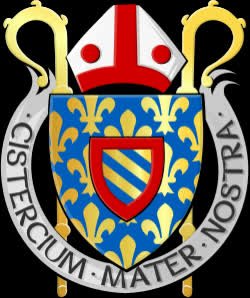
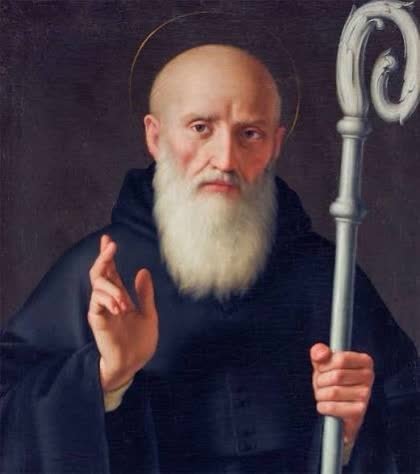
The Cistercians are a Roman Catholic monastic order that follows the Rule of Saint Benedict, a spiritual guide written in the sixth century by Saint Benedict of Nursia.
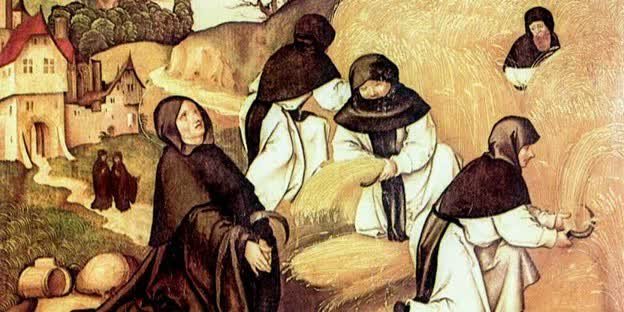
The Cistercian way of life is centered on seeking God through a balanced rhythm of prayer, manual work, silence, community life, and sacred reading.
Faithful to the Benedictine motto Ora et Labora ("Pray and Work"), Cistercians strive to live lives of simplicity, humility, and continual conversion in the service of Christ and His Church.
From Cîteaux
The name "Cistercian" originates from Cistercium, the Latin name for Cîteaux, a small village in Burgundy, France, where the Order was founded in 1098.
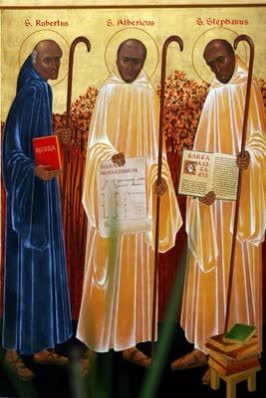
It was there that Saint Robert of Molesme, together with Saints Alberic and Stephen Harding, established a new monastery with the desire to live the Rule of Saint Benedict in its original simplicity and authenticity.
Their vision was not to create a new rule but to return faithfully to the spirit of the Gospel and the monastic ideals handed down by Saint Benedict.
A New Beginning at Cîteaux
Saint Robert of Molesme, together with Saints Alberic and Stephen Harding, established the monastery at Cîteaux with a desire to live the Rule of Saint Benedict in its original simplicity and authenticity.
Their vision was not to create a new rule but to return faithfully to the spirit of the Gospel and to the monastic ideals handed down by Saint Benedict.
From these humble beginnings grew a tradition that would eventually reach monasteries throughout Europe and, centuries later, throughout the world.
To seek God through prayer, work, silence, community, and a life of continual conversion.
The Cistercian Way of LifeSaint Bernard of Clairvaux
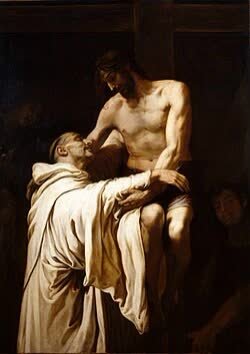
Although the founders laid the foundation of the Order, the Cistercians became widely known through the extraordinary influence of Saint Bernard of Clairvaux (1090–1153).
His holiness, profound theological writings, devotion to the Blessed Virgin Mary, and tireless work in founding new monasteries transformed the Cistercians into one of the most influential religious movements of the Middle Ages.
For this reason, Saint Bernard is often regarded as the spiritual father of the Cistercian tradition.
More Than Nine Centuries of Seeking God
From its humble beginnings at Cîteaux, the Order spread rapidly across Europe and became a living tradition of prayer, community and charity.
The Foundation
The Cistercian Order was founded at Cîteaux in Burgundy, France, by Saint Robert of Molesme together with Saints Alberic and Stephen Harding.
The Expansion
Within only a few decades, hundreds of monasteries had been founded, united by common observance, shared liturgy and mutual charity.
A Living Tradition
Today the Cistercian Order continues its mission on every continent, preserving a spiritual heritage that has flourished for more than nine centuries.
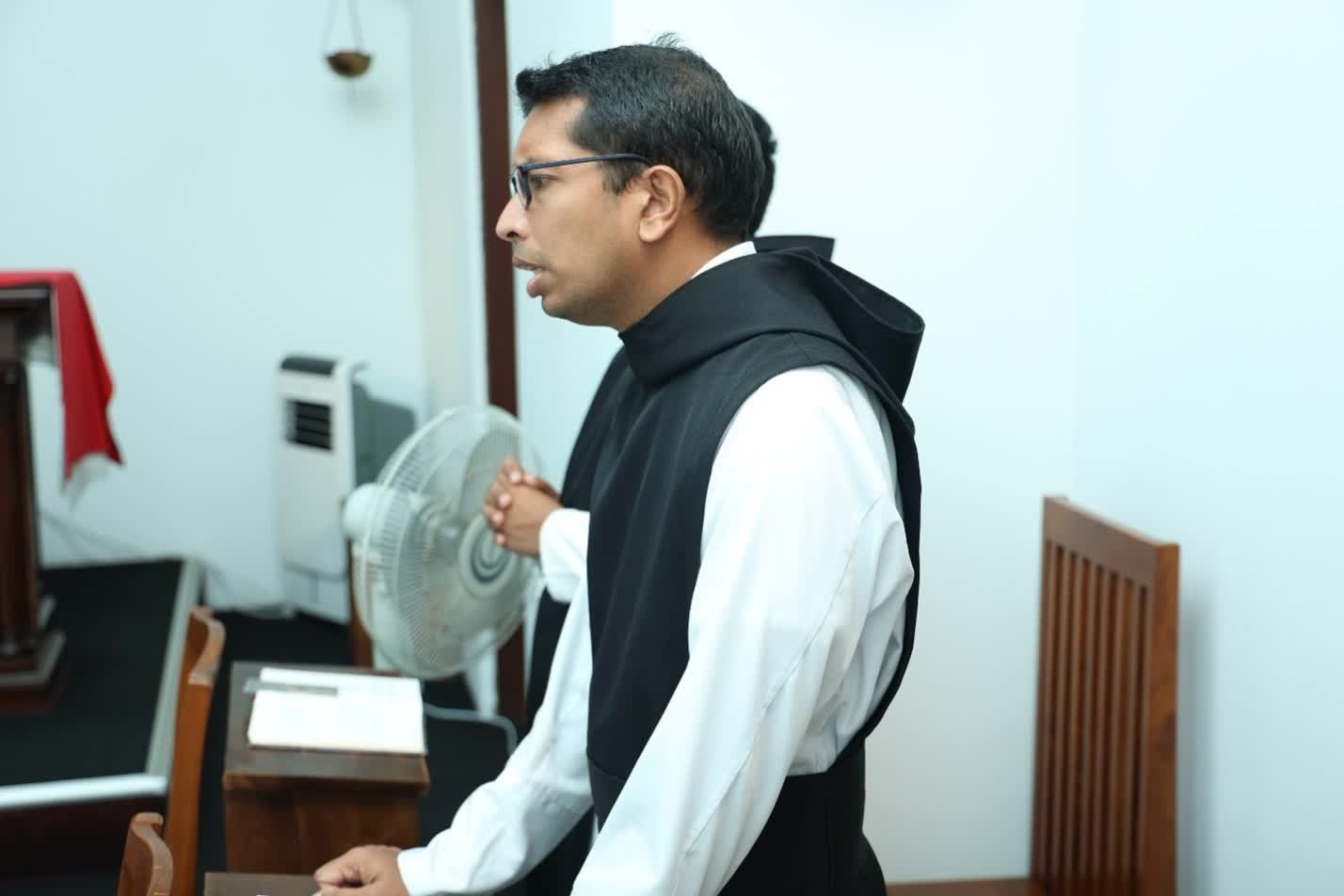
A Life of Prayer & Simplicity
The unity of the Cistercian Order was safeguarded through the Carta Caritatis ("Charter of Charity"), which established the spiritual bond between mother abbeys and their daughter houses.
This ensured fidelity to the Rule of Saint Benedict throughout the Order and strengthened the bonds of charity between communities.
The Cistercians are easily recognized by their distinctive white habit with a black scapular, symbols of purity, humility and perseverance.
According to an ancient Cistercian tradition, the Blessed Virgin Mary appeared to Saint Alberic and entrusted the white habit to the Order as a sign of her maternal protection.
Throughout history, the Blessed Virgin Mary has remained the principal patroness of the Cistercian Order, and nearly every Cistercian monastery is dedicated to her under one of her many beautiful titles.
A Tradition That Continues
Today, the Cistercian Order continues its mission on every continent, preserving a spiritual heritage that has flourished for more than nine centuries.
While each monastery lives according to its local culture and circumstances, all remain united in the same Benedictine tradition of prayer, contemplation, community life, manual labor, hospitality and the continual search for God.
Stella Maris Cistercian Monastery
Stella Maris Cistercian Monastery in Sri Lanka is privileged to share in this living tradition.
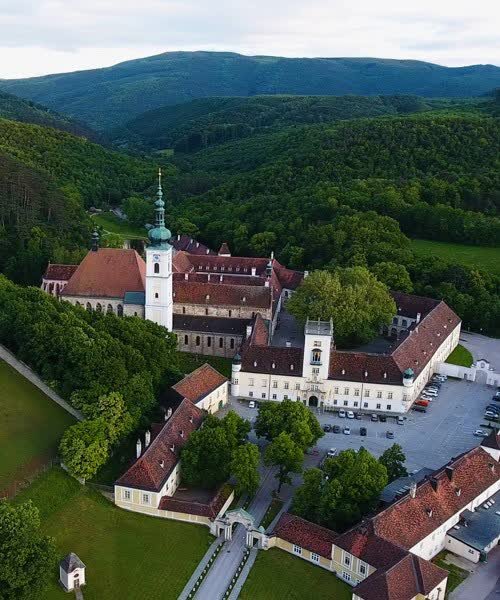
As a daughter of the historic Heiligenkreuz Abbey in Austria, our monastery seeks to embody the same Cistercian ideals while serving the Church in Sri Lanka.
Dedicated to Our Lady, Stella Maris (Star of the Sea) , we strive to be a place where people encounter Christ through silence, prayer, the celebration of the Sacred Liturgy, spiritual hospitality, and faithful witness to the monastic vocation.
A Life of Prayer, Work & Hope
Our community continues the rich heritage begun at Cîteaux in 1098, living the timeless Cistercian charism within the cultural and spiritual landscape of Sri Lanka.
Through our life of prayer and work, we seek not only our own sanctification but also to become a source of hope, peace, and prayer for the entire People of God.
